An evidence-minded guide
Apple cider vinegar, minus the hype.
How people actually use ACV, what the research does (and doesn’t) show, and how to use it without hurting your teeth or your stomach.

The short version
If you only read one thing on this site, make it this.
- It’s vinegar. Most store-bought ACV is about 5–6% acetic acid — the same acid that gives all vinegar its bite.
- The blood sugar research is real but modest. Small studies suggest vinegar taken with a carb-heavy meal can blunt the rise in blood sugar afterward.
- Always dilute it. Undiluted vinegar can erode tooth enamel and irritate your throat.
- Check your medications. ACV may interact with insulin, other diabetes medicines, diuretics and digoxin.
The basics
What is apple cider vinegar?
Apple cider vinegar is made by fermenting apple juice twice: first yeast turns the sugars into alcohol, then acetic acid bacteria turn that alcohol into acetic acid. The result is a tangy, golden vinegar with a mild apple flavor — softer than white vinegar, and more versatile in the kitchen.
Bottles labeled “raw,” “unfiltered” or “with the mother” are cloudy because they still contain strands of cellulose and bacteria from fermentation. Filtered, pasteurized versions are clear. Both contain acetic acid, which is the part most research focuses on.
How it’s made
- Crush and press apples into juice.
- Ferment to cider: yeast converts sugar into alcohol.
- Ferment to vinegar: acetic acid bacteria convert alcohol into acetic acid.
In 1 tablespoon (15 ml)
| Nutrient | Amount |
|---|---|
| Calories | ~3 |
| Carbohydrates | ~0.1 g |
| Potassium | ~11 mg |
| Acetic acid (5% acidity) | ~750 mg |
Source: USDA FoodData Central; acetic acid calculated from label acidity.
Everyday uses
Popular ways people use apple cider vinegar
In the kitchen
Vinaigrettes, marinades, quick pickles and a splash to brighten soups and sauces.
As a diluted drink
A teaspoon or two in a large glass of water, ideally with a meal and through a straw.
In baking
Reacts with baking soda to lift pancakes and cakes, and stands in for buttermilk.
Around the house
Streak-free glass, descaled kettles and softer hard-water spots on faucets.
Fruit fly trap
A little ACV and a drop of dish soap in a jar does the job in a day or two.
Hair rinse
A diluted rinse some people like for shine — a preference, not a treatment.
Latest guides
-

The “Mother” in ACV: What It Is and Why It Matters
Read the guide →: The “Mother” in ACV: What It Is and Why It MattersWhat the cloudy “mother” in apple cider vinegar actually is, how it forms, whether it contains probiotics, if it’s safe, and whether it’s worth paying more…
-

How to Drink ACV Without Damaging Your Teeth
Read the guide →: How to Drink ACV Without Damaging Your TeethApple cider vinegar is acidic enough to erode tooth enamel. Here’s how erosion happens, the warning signs, and nine simple habits that protect your teeth if…
-

ACV Liquid vs Capsules vs Gummies: Which Form Is Better?
Read the guide →: ACV Liquid vs Capsules vs Gummies: Which Form Is Better?How liquid apple cider vinegar compares with capsules and gummies on acetic acid content, research, sugar, cost, convenience and safety — and how to choose.
-

ACV Before Meals: What Research Says About Blood Sugar
Read the guide →: ACV Before Meals: What Research Says About Blood SugarA plain-English look at the studies on vinegar and blood sugar — what they measured, how big the effects were, who might benefit, and who should…
-
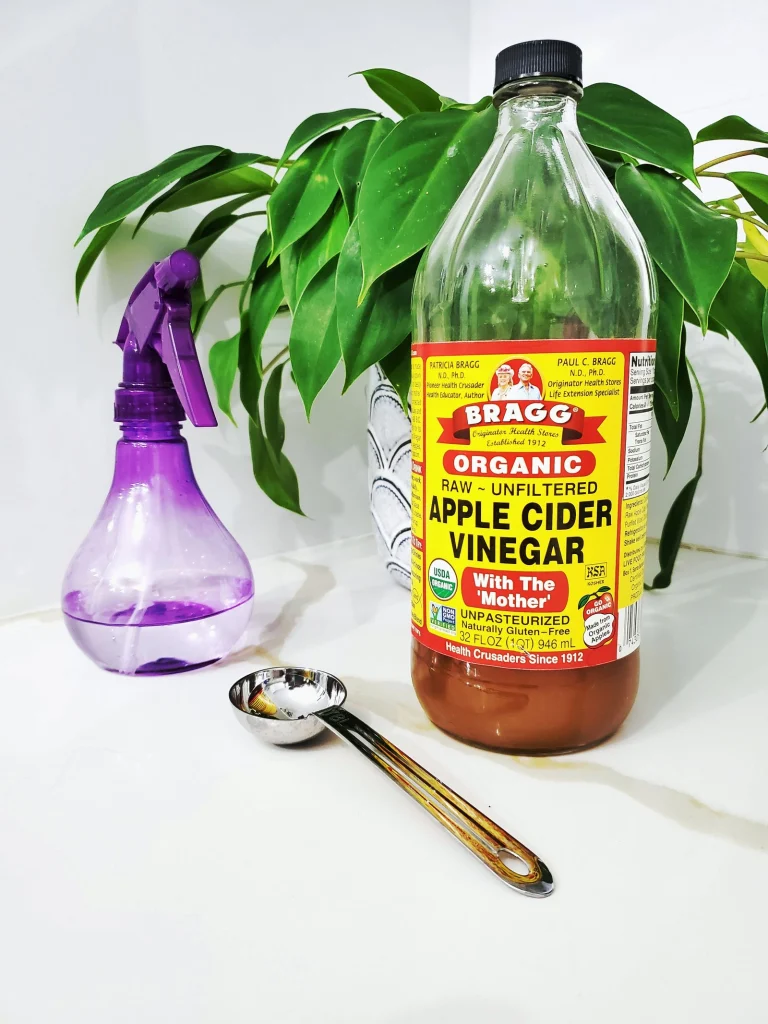
Apple Cider Vinegar: 15 Everyday Uses
Read the guide →: Apple Cider Vinegar: 15 Everyday UsesFifteen practical ways to use apple cider vinegar in the kitchen, around the house and in your routine — plus where vinegar should never go and…
Research, rated
What the research actually says
Apple cider vinegar attracts a lot of big claims. Here is how the most common ones hold up, based on the human studies available today.
| Claim | What the research shows | Our verdict |
|---|---|---|
| Lower blood sugar after a starchy meal | Several small human trials and a 2017 meta-analysis | Promising, modest |
| Feeling fuller after meals | A few small, short studies | Possible, small effect |
| Weight loss | A handful of small, short trials | Weak evidence |
| Lower cholesterol | Mostly animal studies; limited human data | Not established |
| “Detox” or “alkalizing” the body | No good evidence | Myth |
| Curing infections or disease | No evidence | Myth |
For study-by-study details, read ACV before meals: what research says about blood sugar.
Do it right
How to take apple cider vinegar safely
- Dilute it: 1–2 teaspoons, up to 1 tablespoon, in at least 8 oz (240 ml) of water.
- Take it with a meal rather than on an empty stomach.
- Use a straw to keep the acid off your front teeth.
- Rinse with water afterward, and wait 30–60 minutes before brushing.
- Stop if it bothers you — heartburn, nausea or throat irritation are signs to quit.
Check with your doctor first if you…
- take insulin or other diabetes medicines
- take diuretics, digoxin or other heart medication
- have low potassium or kidney disease
- have reflux, ulcers or gastroparesis
- are pregnant or breastfeeding
Apple cider vinegar is a useful kitchen staple with a few genuinely interesting research findings. It is not a cure-all — and it doesn’t need to be.
The VinegarWise approach
Glossary
ACV terms, decoded
Acetic acid
The main acid in all vinegar and the compound most research on ACV focuses on.
The mother
A cloudy mass of cellulose and acetic acid bacteria that forms during fermentation.
Raw / unfiltered
Bottled without filtering or heating, so it still contains the mother.
Pasteurized
Heated to stop further fermentation; usually clear and consistent.
5% acidity
The acetic acid strength on most labels — about 750 mg per tablespoon.
Switchel
An old-fashioned drink of water, vinegar, ginger and a little sweetener.
Common questions
Is it safe to drink apple cider vinegar every day?
For most healthy adults, small amounts diluted in water appear to be well tolerated. Problems usually come from drinking it undiluted, taking large amounts, or combining it with certain medications. If you have reflux, gastroparesis, kidney disease or low potassium, or take diabetes or heart medication, talk to your doctor first.
How much do people usually take?
Studies commonly use about 1 to 2 tablespoons (15–30 mL) mixed into a large glass of water, often with a meal. Starting with a teaspoon or two is a gentler way to see how your stomach handles it.
Does apple cider vinegar help with weight loss?
The evidence is thin. A handful of small, short trials found modest changes, and some of the effect may come from feeling slightly fuller or less hungry. It can be part of an eating pattern you enjoy, but it isn’t a substitute for one.
Do I need vinegar “with the mother”?
Not necessarily. Unfiltered ACV with the mother looks cloudy and contains strands of bacteria and cellulose, but most research on vinegar’s effects points to acetic acid, which both filtered and unfiltered versions contain. Read more in our guide to the “mother” in ACV.
Can I drink apple cider vinegar on an empty stomach?
Some people do, but vinegar on an empty stomach is more likely to cause nausea or irritation. Most studies gave it with a meal, which is also gentler on your stomach and teeth.
Does apple cider vinegar break a fast?
A tablespoon has only about 3 calories, so for most people it makes no practical difference. If you fast for medical reasons, follow your doctor’s guidance.
Can I use apple cider vinegar instead of other vinegars?
Usually, yes. It works in dressings, marinades and most recipes that call for white wine or red wine vinegar, with a slightly fruitier taste.
Have a question we haven’t answered?
Tell us what you’d like explained next.