Turn a bottle of unfiltered apple cider vinegar upside down and you’ll see wispy strands drifting through the liquid, maybe a little cloud settling at the bottom. That’s the “mother” — and it’s become the main selling point on many labels.
But what is it, exactly? And does it make the vinegar better for you?
What’s in this guide
- What is the mother of vinegar?
- How apple cider vinegar is made
- Does the mother contain probiotics?
- Is there any advantage to vinegar with the mother?
- Is the mother safe to eat?
- Is the mother the same as a kombucha SCOBY?
- Can you make your own vinegar with a mother?
- Reading the label
- Frequently asked questions
- The bottom line
What is the mother of vinegar?
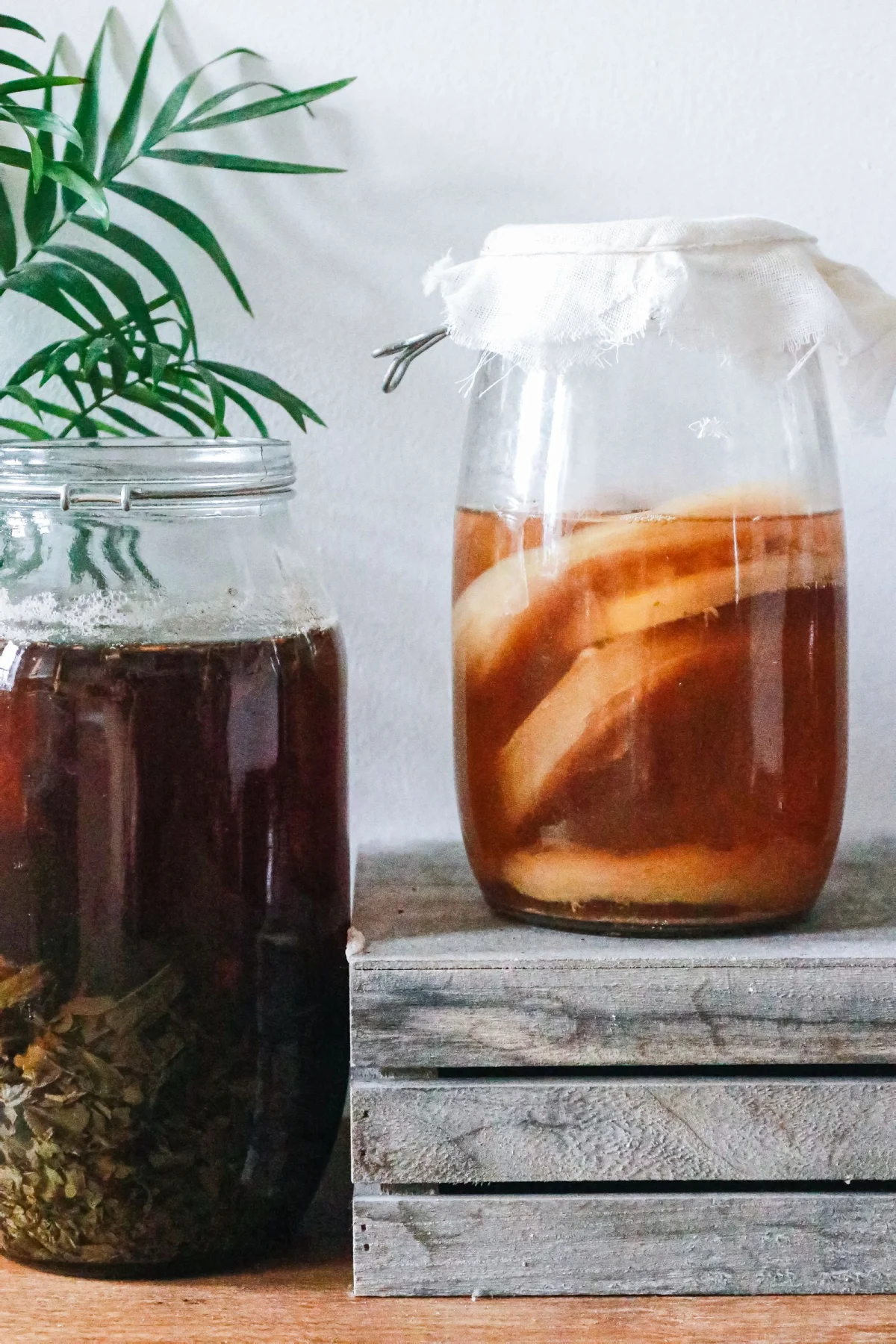
The mother is a living, gel-like mass made of cellulose and acetic acid bacteria, along with some yeast. It forms naturally during the second stage of fermentation, when bacteria turn alcohol into acetic acid. Brewers and vinegar makers have used it for centuries to start new batches.
In a finished bottle, the mother shows up as cloudy sediment or stringy, jellyfish-like strands. Over time it can grow into a thin disc floating on top — completely normal for raw vinegar.
How apple cider vinegar is made
Making ACV is a two-step fermentation:
- Apples to alcohol. Crushed apples or apple juice are fermented by yeast, which converts sugars into alcohol — essentially making hard cider.
- Alcohol to vinegar. Acetic acid bacteria (from groups such as Acetobacter and Komagataeibacter) convert the alcohol into acetic acid. As they work, they produce the cellulose film that becomes the mother.
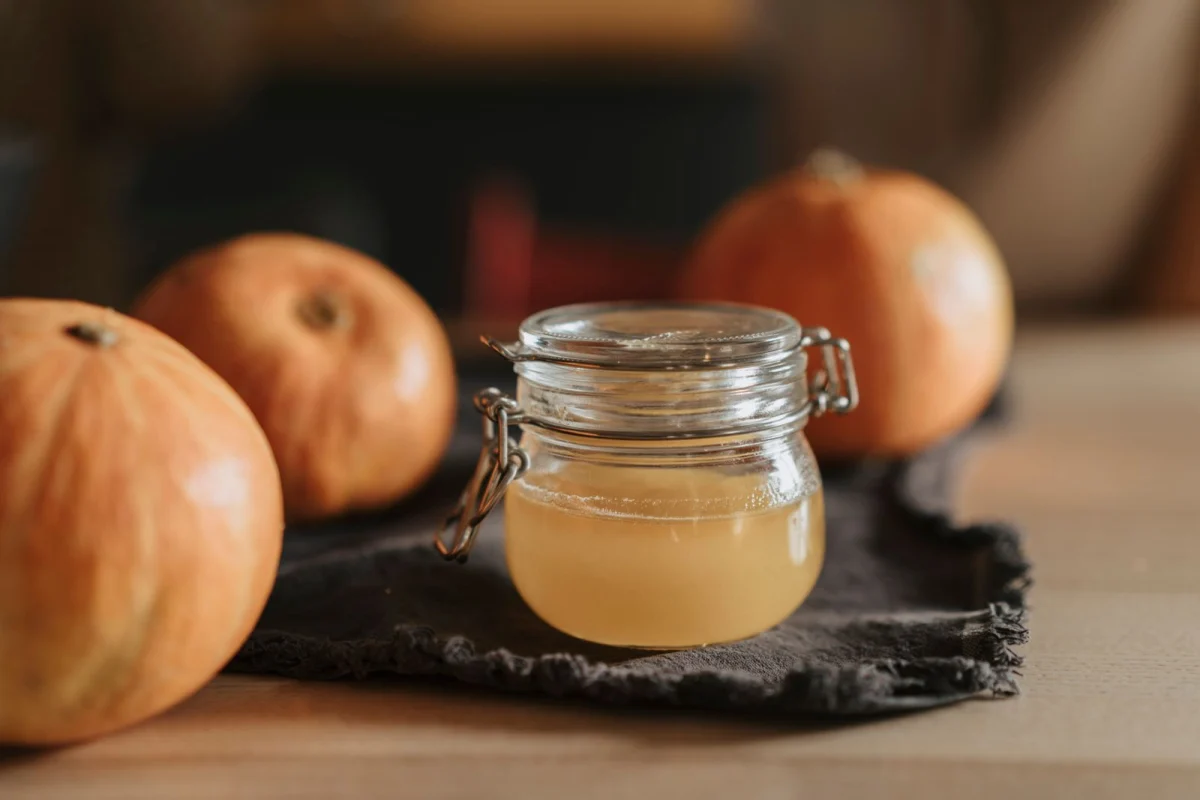
After fermentation, producers choose what to do next:
| Type | What’s done | How it looks |
|---|---|---|
| Filtered, pasteurized | Mother removed, heated to stop further activity | Clear, golden, consistent |
| Unfiltered, unpasteurized (“raw,” “with the mother”) | Bottled as is | Cloudy, with sediment or strands |
Does the mother contain probiotics?
This is where labels often oversell. Raw vinegar with the mother does contain live bacteria and yeast. But:
- Acetic acid bacteria aren’t established probiotics. The term “probiotic” refers to specific live microbes shown to provide a health benefit in adequate amounts. The bacteria in vinegar haven’t been studied that way in humans.
- The amount is small, and vinegar’s acidity limits what can survive.
- There’s little research on the mother itself. Most studies on vinegar’s effects — like the research on blood sugar after meals — focus on acetic acid, which both filtered and unfiltered vinegars contain.
If gut health is your goal, foods with better-documented live cultures, such as yogurt and kefir with live and active cultures, or fermented vegetables like sauerkraut and kimchi (unpasteurized), are a more reliable choice.
Is there any advantage to vinegar with the mother?
There may be modest differences. Unfiltered vinegar can retain slightly more of the apple’s natural compounds, such as polyphenols, and some people prefer its fuller flavor. But there’s no strong evidence that it produces meaningfully different health effects from filtered ACV.
In short: choose the mother if you like it, not because you think it’s essential.
Is the mother safe to eat?
Yes. The mother is safe to consume, and you can shake the bottle to mix it in or let it settle. A few practical notes:
- Cloudiness and sediment are normal in raw vinegar and don’t mean it has gone bad.
- A new mother may grow in an opened bottle over months. You can strain it out or leave it.
- Vinegar keeps a very long time. Its acidity prevents harmful bacteria from growing. Store it sealed, at room temperature, out of direct sunlight.
- Mold is different. Fuzzy, colored spots on the surface aren’t the mother. If you see mold, throw the bottle away.
Is the mother the same as a kombucha SCOBY?
They’re close relatives. Both are rubbery mats of cellulose made by acetic acid bacteria living alongside yeast — “SCOBY” stands for symbiotic culture of bacteria and yeast. A kombucha SCOBY is kept in sweet tea, while a vinegar mother lives in cider or wine, so the microbes in each adapt to different conditions.
You can sometimes start vinegar with a kombucha SCOBY or vice versa, but results are unpredictable. If you’re fermenting at home, keep equipment clean, discard anything with fuzzy mold, and remember that homemade ferments have unknown acidity.
Can you make your own vinegar with a mother?
You can. Many people add a piece of mother (or a splash of raw vinegar) to hard cider or wine and let it ferment, loosely covered, for several weeks. It’s a fun project, but keep one limitation in mind:
Food safety
Homemade vinegar has an unknown acidity. Don’t use it for canning or shelf-stable pickling, which require vinegar with at least 5% acidity. Use commercial vinegar labeled with its acidity for those recipes.
Reading the label
When you’re shopping, these terms help:
- “With the mother,” “raw,” “unfiltered”: cloudy vinegar that still contains the mother.
- “Organic”: refers to how the apples were grown, not whether the mother is present.
- “5% acidity”: the acetic acid strength — useful to know if you’re measuring a dose (1 tablespoon ≈ 750 mg acetic acid).
- Price: raw, organic vinegar usually costs more. That’s your choice to make, not a requirement.
Frequently asked questions
Can I drink the mother?
Yes. It’s safe to consume. You can shake the bottle to disperse it or let it settle at the bottom.
Why did a blob form in my vinegar bottle?
That’s a new mother forming, which is common in raw, unpasteurized vinegar. It’s harmless and can be strained out or left in.
Does pasteurized ACV still have benefits?
Pasteurized, filtered ACV still contains acetic acid, which is the component most research focuses on.
Should I refrigerate raw apple cider vinegar?
It’s not necessary. Store it sealed at room temperature away from direct sunlight.
The bottom line
The mother is a natural, harmless byproduct of making vinegar — a tangle of cellulose and acetic acid bacteria. It gives raw ACV its cloudy look and may add a little extra from the apples, but the evidence for unique health benefits is thin. Pick the bottle you enjoy. Whichever you choose, dilute it before drinking and follow our tips on protecting your teeth.
Looking for ways to use that bottle? Start with our 15 everyday uses for apple cider vinegar.