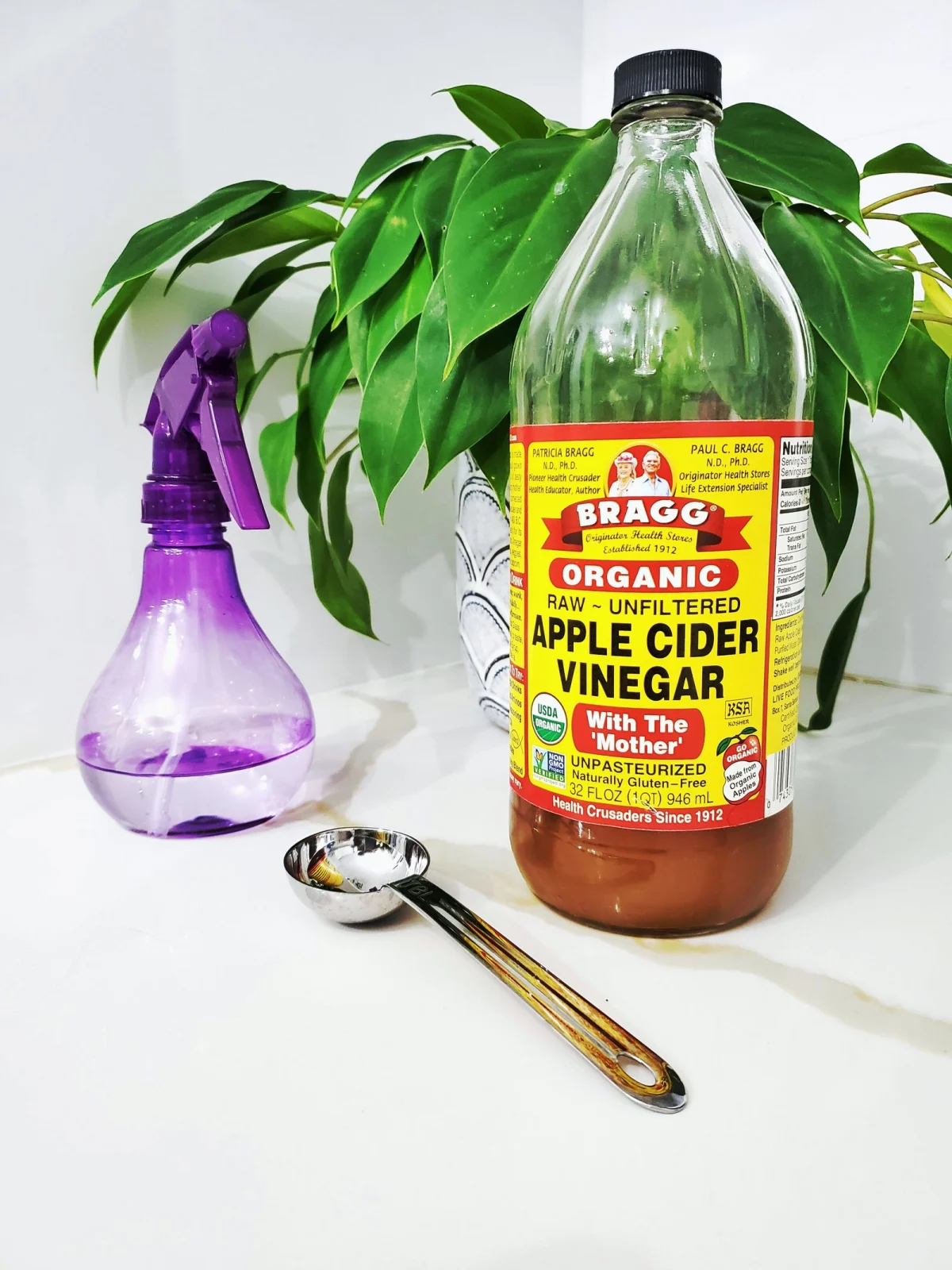
Apple cider vinegar has a reputation as a cure-all, which is a shame, because its real talents are more practical and less mysterious. It’s a mild, fruity vinegar that brightens food, tenderizes meat, cuts through grease and dissolves mineral deposits. That’s plenty.
Here are fifteen everyday uses that actually work, grouped by where you’ll use them, followed by the places vinegar shouldn’t go and the claims worth ignoring.
What’s in this guide
Why apple cider vinegar works
Most store-bought apple cider vinegar contains about 5–6% acetic acid. That acid is responsible for nearly everything vinegar does: it adds sharp flavor, breaks down proteins, reacts with baking soda, and dissolves calcium deposits. Compared with plain white vinegar, ACV has a softer, slightly fruity taste, which makes it the better choice for food — and a pricier choice for cleaning.
In the kitchen
1. Make a better vinaigrette
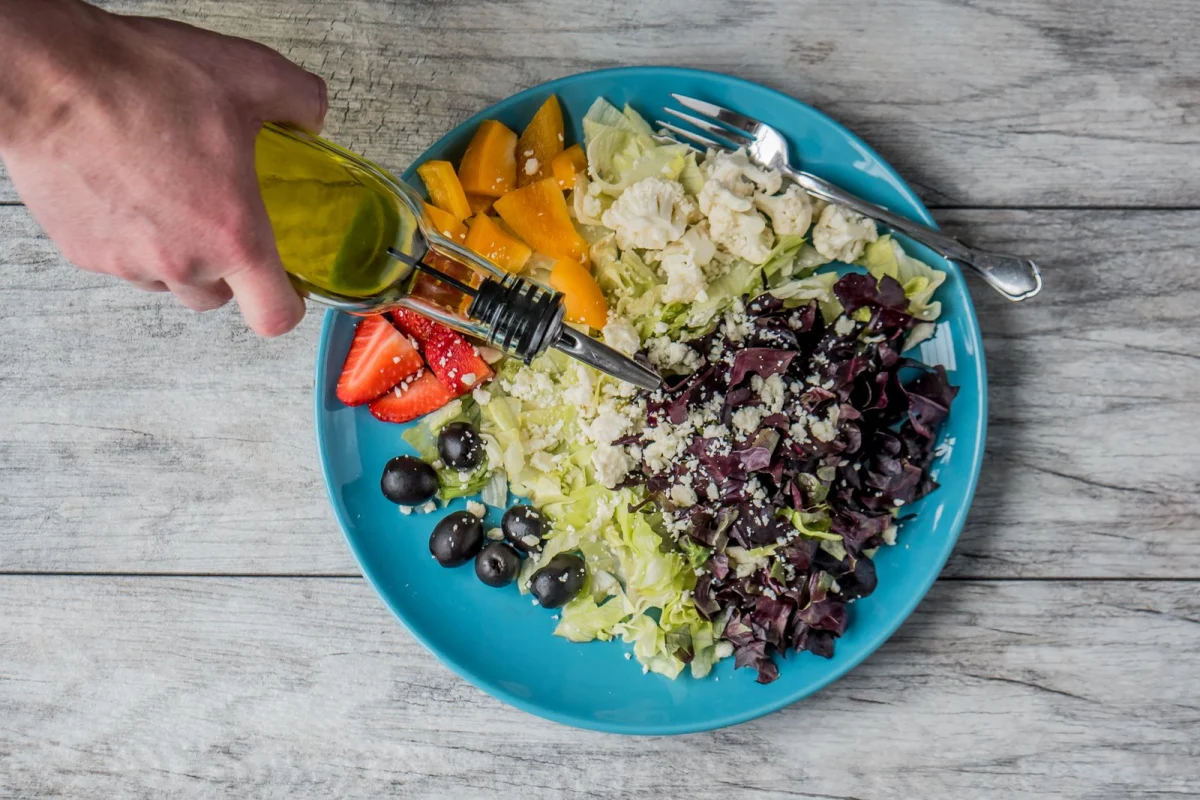
The classic ratio is three parts oil to one part vinegar. ACV’s mild sweetness works especially well with Dijon mustard, a little honey or maple syrup, salt and pepper. Shake it in a jar and it keeps in the fridge for a week.
Try: 3 tbsp olive oil, 1 tbsp apple cider vinegar, 1 tsp Dijon, pinch of salt.
2. Tenderize and flavor marinades
Acid helps loosen the surface proteins of meat and carries flavor in. Use ACV in marinades for pork, chicken and beef, but don’t overdo the time — more than a few hours in an acidic marinade can make chicken and fish mushy. For pulled pork, a splash in the cooking liquid adds tang that balances the richness.
3. Quick pickles
Thinly sliced cucumbers, red onions or radishes covered with a hot brine of equal parts ACV and water, plus salt and a little sugar, are ready in 30 minutes. Keep refrigerator pickles in the fridge and eat them within a few weeks.
Food safety
Quick pickles are for the fridge. For canning shelf-stable pickles, follow a tested recipe and use commercial vinegar labeled at least 5% acidity.
4. Stand in for buttermilk
Out of buttermilk? Add 1 tablespoon of apple cider vinegar to a measuring cup, top up with milk to 1 cup, stir and let it sit for 5–10 minutes. It curdles slightly and works in pancakes, biscuits and quick breads.
5. Brighten soups, stews and sauces
If a pot of chili, lentil soup or gravy tastes flat, a teaspoon of vinegar at the end often fixes it faster than more salt. Add a little, stir, taste and repeat.
6. Neater poached eggs
A splash of vinegar in the poaching water helps egg whites set faster and hold together. ACV works fine — you won’t taste it in the finished egg.
7. Help baked goods rise
Vinegar reacts with baking soda to release carbon dioxide. Many vegan cake and muffin recipes rely on this reaction instead of eggs, and a teaspoon can give pancakes a lighter crumb.
8. A diluted drink
Many people enjoy ACV as a drink — often 1–2 teaspoons to a tablespoon in a large glass of water, sometimes with ginger and a little honey (an old-fashioned drink called a switchel). Always dilute it, and use a straw. Undiluted vinegar can damage tooth enamel and irritate your throat. Our guide on how to drink ACV without damaging your teeth covers the details, and our research review explains what studies say about ACV and blood sugar.
Around the house
9. Streak-free glass and mirrors
Mix equal parts vinegar and water in a spray bottle. Wipe with a microfiber cloth. Plain white vinegar does the same job for less money, but ACV works if that’s what you have.
10. Descale kettles and coffee makers
Fill your kettle with equal parts vinegar and water, bring it to a boil, let it sit for an hour, then rinse thoroughly and boil fresh water once or twice before using it. For coffee makers, run a vinegar-and-water cycle followed by two or three cycles of plain water — and check your manufacturer’s instructions first.
11. Remove hard-water spots on faucets and shower heads
Soak a cloth in vinegar and wrap it around a faucet, or tie a plastic bag of vinegar around a shower head for an hour. Mineral buildup softens and wipes away.
12. Trap fruit flies
Pour a little apple cider vinegar into a small jar, add a drop of dish soap to break the surface tension, and cover with plastic wrap poked with a few holes. Fruit flies are drawn to the fruity smell and can’t get out.
13. Freshen lunch boxes and cutting boards
Wipe smelly containers or plastic cutting boards with diluted vinegar and let them air dry. It helps neutralize odors. Vinegar is not a registered disinfectant, so for raw meat cleanup, use hot soapy water and a proper sanitizer.
14. Rinse produce (with realistic expectations)
Some studies show vinegar solutions can reduce certain bacteria on produce more than water alone. That said, US food safety guidance recommends rinsing fruits and vegetables under cool running water, rubbing firm produce, and skipping soap or bleach. If you use a vinegar soak, rinse with water afterward so food doesn’t taste sour.
In your routine
15. A clarifying hair rinse
Some people like a diluted rinse — about 1–2 tablespoons in a cup of water — after shampooing to remove product buildup and add shine. Evidence is anecdotal, so treat it as a preference rather than a treatment. Keep it out of your eyes, and skip it if your scalp is irritated or broken.
Where vinegar should never go
- Never mix vinegar with bleach. The combination releases toxic chlorine gas.
- Avoid natural stone. Acid can etch marble, granite, limestone and travertine countertops.
- Keep it off waxed wood, cast-iron seasoning and some grouts. Repeated acid exposure can dull or strip them.
- Don’t put undiluted vinegar on your skin. There are reports of chemical burns from using it on warts, moles and acne. See a doctor or dermatologist for skin conditions.
- Don’t use it in ears or eyes, or as a remedy for children.
Claims that don’t hold up
Apple cider vinegar won’t “detox” your body (your liver and kidneys already do that), cure infections, melt fat or treat cancer. A few small studies on blood sugar and fullness are genuinely interesting, but they show modest effects, not cures. If a product promises dramatic health results, be skeptical.
Frequently asked questions
Can I use white vinegar instead of apple cider vinegar?
For cleaning, yes — white vinegar is cheaper and works the same way. In cooking, ACV has a softer, fruitier flavor, while white vinegar is sharper and more neutral.
Does apple cider vinegar go bad?
Not really. Its acidity keeps it safe for a very long time. It may become cloudier or form a new ‘mother’ over time, which is normal.
Is it safe to clean with vinegar around pets?
Diluted vinegar is generally fine for wiping surfaces, but keep pets from drinking cleaning solutions, and never mix vinegar with bleach or other chemicals.
Can vinegar replace disinfectant?
No. Vinegar isn’t a registered disinfectant. For raw meat spills, bathrooms or illness in the house, use a proper disinfectant according to its label.
The bottom line
Apple cider vinegar is a useful bottle to keep in the pantry. It earns its place in dressings, marinades, pickles and baking, and it’s handy for a few household jobs. Use it diluted, keep it away from stone and bleach, and enjoy it for what it is — a good vinegar.
Curious about the cloudy stuff at the bottom of the bottle? Read our guide to the “mother” in ACV.