Walk down the supplement aisle and apple cider vinegar comes in three forms: the classic bottle, capsules that promise “all the benefits without the taste,” and gummies that look suspiciously like candy. They’re priced very differently and marketed as if they’re interchangeable.
They aren’t. The key difference comes down to one ingredient — acetic acid — and how much of it you actually get.
What’s in this guide
Why acetic acid is the number to watch
Most of the research on vinegar points to acetic acid as the active component. It’s what gives vinegar its sharp taste and what researchers believe is behind effects like the modest reduction in post-meal blood sugar.
Liquid ACV makes the math easy. Most bottles are labeled 5% acidity, which means:
Quick math
- 1 tablespoon (15 ml) of 5% ACV ≈ 750 mg of acetic acid
- 2 tablespoons (30 ml) ≈ 1,500 mg of acetic acid
Studies have commonly used 1–2 tablespoons. Keep those numbers in mind as we look at the alternatives.
Liquid apple cider vinegar
What it is: fermented apple juice, either filtered (clear) or unfiltered with “the mother” (cloudy).
Pros
- It’s the form used in research.
- Acetic acid content is known — it’s printed on the label.
- Cheapest per dose by a wide margin.
- Doubles as a cooking ingredient.
Cons
- Sharp, sour taste.
- Must be diluted; undiluted vinegar can erode tooth enamel and irritate your throat.
- Less convenient when traveling.
ACV capsules and tablets
What they are: dehydrated apple cider vinegar powder, often 500–1,000 mg per serving, sometimes combined with other ingredients such as cayenne, ginger or chromium.
Pros
- No taste, no tooth contact.
- Easy to carry.
Cons
- “500 mg of apple cider vinegar” is not 500 mg of acetic acid. The label usually refers to the weight of the powder. Many products don’t state the acetic acid content at all.
- When researchers tested several ACV tablet brands in a 2005 study, they found acetic acid levels varied widely between products and labels were often inaccurate.
- The same report described a woman who suffered throat injury after an ACV tablet became lodged in her esophagus. Swallow tablets with plenty of water and stay upright afterward.
- Blends with extra ingredients make it harder to know what’s doing what.

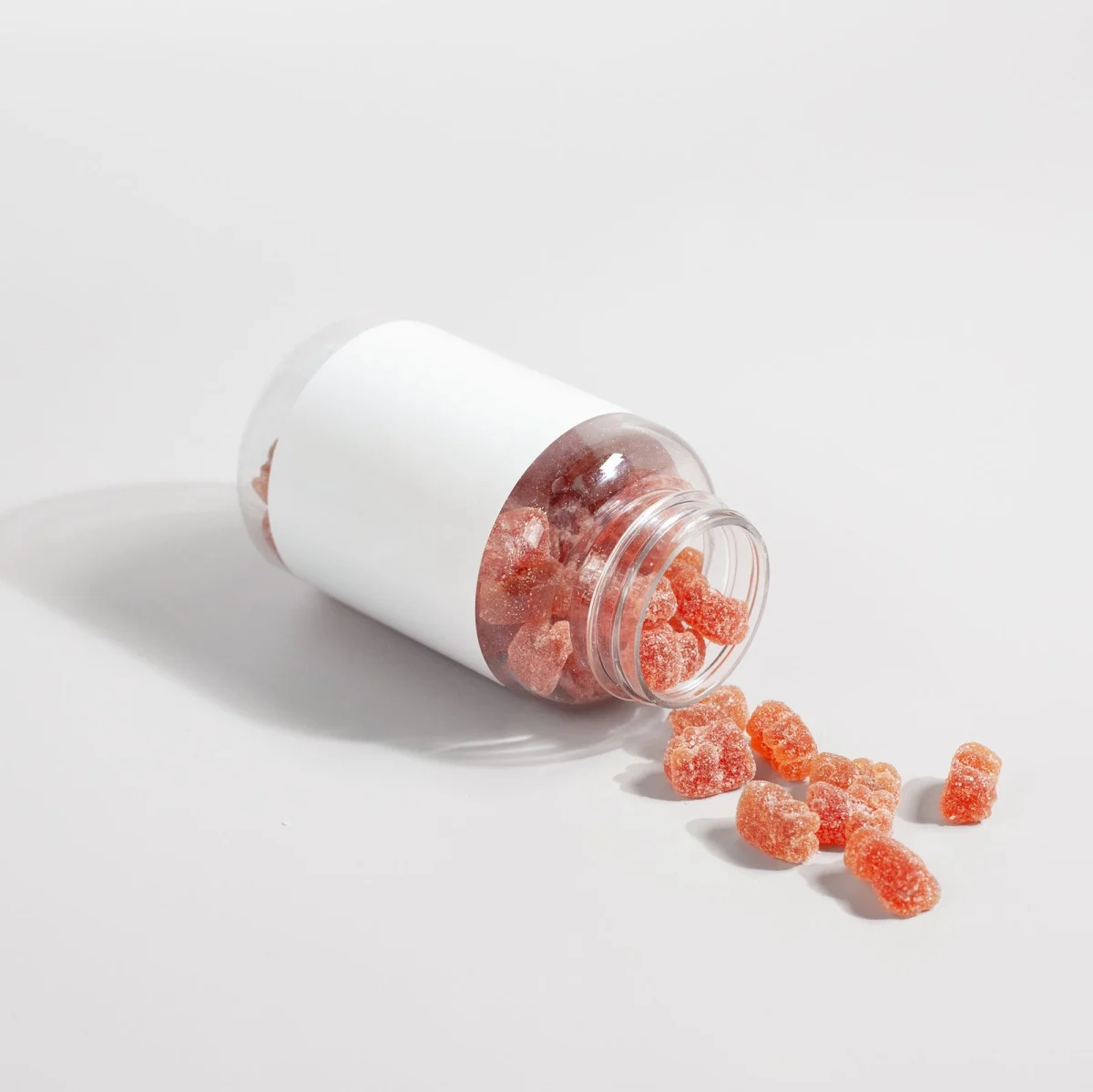
ACV gummies
What they are: chewable gummies made with ACV powder, pectin, sugar and flavorings. Many contain around 500 mg of ACV per gummy, with a serving of one or two.
Pros
- Pleasant taste.
- Easy to remember to take.
Cons
- Added sugar. Many contain around 1 gram of sugar per gummy, and some much more. That’s small, but it’s worth knowing if you’re trying to cut sugar.
- Low or unknown acetic acid. The amount is often not disclosed and is likely far lower than a tablespoon of liquid vinegar.
- Sticky, acidic and sweet — a combination that isn’t kind to teeth.
- Easy to over-consume, especially for children who mistake them for candy. Store them out of reach.
- The most expensive way to buy ACV.
Side-by-side comparison
| Liquid | Capsules | Gummies | |
|---|---|---|---|
| Acetic acid per dose | Known (~750 mg per tbsp at 5%) | Often not listed | Often not listed |
| Used in research | Yes | Rarely | Rarely |
| Taste | Sour | None | Sweet |
| Sugar | 0 g | Usually 0 g | Often ~1–2 g per serving |
| Tooth risk | Moderate if undiluted | Low | Moderate (sticky + acidic) |
| Cost per dose | Lowest | Medium | Highest |
| Convenience | Lower | High | High |
So which form is better?
If you want the form that matches the research: diluted liquid ACV, taken with meals, is the clear choice. You know exactly how much acetic acid you’re getting, and it costs pennies per serving.
If you truly can’t tolerate the taste: a capsule can be a reasonable compromise, as long as you choose one that states its acetic acid content and has third-party testing. Accept that the dose may be smaller than in studies.
If you’re considering gummies: enjoy them if you like them, but think of them as a pleasant habit rather than an equivalent to liquid vinegar.
And a fourth option: use ACV in your food. A vinaigrette on your salad or a splash in a sauce delivers acetic acid with your meal and tastes far better than a shot of vinegar.
How to choose a capsule or gummy
- Look for acetic acid content stated in milligrams per serving — not just “ACV powder.”
- Check for third-party testing such as USP Verified or NSF Certified, which confirm the product contains what the label says.
- Read the other ingredients for sugar, sweeteners, gelatin (if you avoid animal products) and allergens.
- Be wary of big promises. Weight-loss and “detox” claims are marketing, not evidence.
- Stick to the label dose, and don’t combine multiple ACV products.
Safety notes for every form
Apple cider vinegar in any form can interact with some medications, including insulin and other diabetes drugs, diuretics and digoxin. If you take medication, have reflux, kidney disease or low potassium, or are pregnant, check with your doctor or pharmacist before using ACV regularly.
If you choose liquid, our guide on how to drink ACV without damaging your teeth shows how to make it gentler.
Frequently asked questions
How many ACV gummies equal a tablespoon of vinegar?
There’s no reliable conversion, because most gummies don’t disclose their acetic acid content. Assume they’re not equivalent to liquid vinegar.
Are ACV capsules safe?
For most healthy adults they’re likely low-risk when taken as directed. Swallow them with plenty of water and remain upright. Check with your doctor if you take medication.
Can children take ACV gummies?
They aren’t designed for children, and their candy-like appearance makes accidental overuse more likely. Keep them out of reach and ask a pediatrician before giving any supplement to a child.
Do ACV pills help with weight loss?
There’s no strong evidence that they do. Claims on packaging usually go well beyond what research supports.
The bottom line
Liquid apple cider vinegar is the only form with a reliably known acetic acid dose and the one used in most research. Capsules trade taste for uncertainty, and gummies trade both dose and sugar for convenience. If you want ACV for its potential effects, choose liquid — diluted, with meals. If you just enjoy a gummy, that’s fine too; just know what you’re paying for.